



AMATEUR FOOTBALL. Back and forth. After the remarks by Valentina Battistini, the president of the Regional Committee, who reset the leadership of the Bergamo Delegation, the response came from Flavio Oberti, the now former delegate.
Read more De Ketelaere is not enough: Spain eliminates Belgium
Reading 2 min.
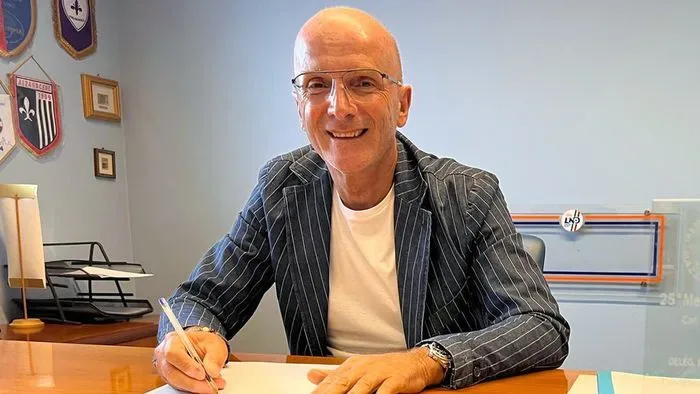
Ten days after the abrupt end of his mandate, Flavio Oberti speaks. He does so with a long statement sent to «L’Eco di Bergamo» – from which we provide an excerpt here: see the online edition for the full text – in which he responds point by point to the observations made by Valentina Battistini, the president of the Regional Committee.
“The statements made by the president in various media outlets – writes the former provincial delegate – require a clear and precise response, respecting the truth, the Bergamo clubs, and all the people who have dedicated time, skills, and passion to our delegation. I cannot remain silent in the face of statements that discredit those who have always operated with seriousness and a spirit of service.” The first reference is to the “administrative irregularities repeated in past years” cited by the president in her statements: “Statements that have devastating effects on public opinion, leading it to imagine illicit behavior or opaque management. During my tenure, the Delegation’s operating budget was zero, also because all Lombardy delegations were invited by the president to face a year of ‘tears and blood’ due to the significant economic deficit inherited from the previous management. So what sums would have been managed irregularly if there was not even the economic availability to support normal activities?”
In truth, the economic disputes concern tournaments organized by the National Union of Sports Veterans (the classic Preda, Ciatto, Cassera, and so on): “The Unvs – Oberti clarifies – is an external entity to the Delegation that has always organized competitions authorized by the Lnd, but unfortunately characterized by a disciplinary management of economic sanctions parallel to that of the Delegation and unknown to me: a long-standing custom, as the president rightly says, with amounts collected directly by the Unvs. It is therefore incorrect to imply that there were economic irregularities attributable to the Delegation.”
Those tournaments, Oberti highlights, have existed for over fifty years and represent a consolidated tradition of Bergamo football; as it is customary that some members of the Unvs are part of the Delegation, accepted by all the various presidents and delegates who have succeeded over the last decades. “Now the president talks about introducing ‘professional profiles’ into the Delegation: so should the people who have guaranteed its functioning until today suddenly be considered incapable?
I then wonder why they were all confirmed for the new sports season as well: perhaps because they are needed until the end of registrations and registrations? And I was appointed only to become the scapegoat for a situation repeated for a long time?”
It should be said that Battistini publicly acknowledged Oberti’s personal honesty, but expressed disappointment with Bergamo regarding mergers that then generated repercussions: “I thank the president for the words she reserved for me; however, I want to remind that mergers and other operations are managed by the Crl and subsequently validated by the Amateur League: involving the Delegation means indicating the wrong subject.”
Words, in short, full of bitterness: “We had created a cohesive, competent, and motivated working group, and the relationship with the clubs was based on dialogue and trust. The critical issues could have been addressed and resolved together, we would have come out better: instead, a gut decision was made that finds no explanation in the administrative reasons given.” The belief is growing that the reasons are essentially political: “And when politics prevails over merit, an entire institution is weakened and the work of those who have served it for years is mortified.”